Handmade Spatula In Acacia Wood – 22 Cm
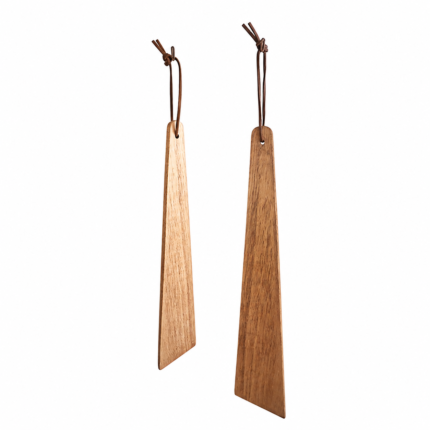
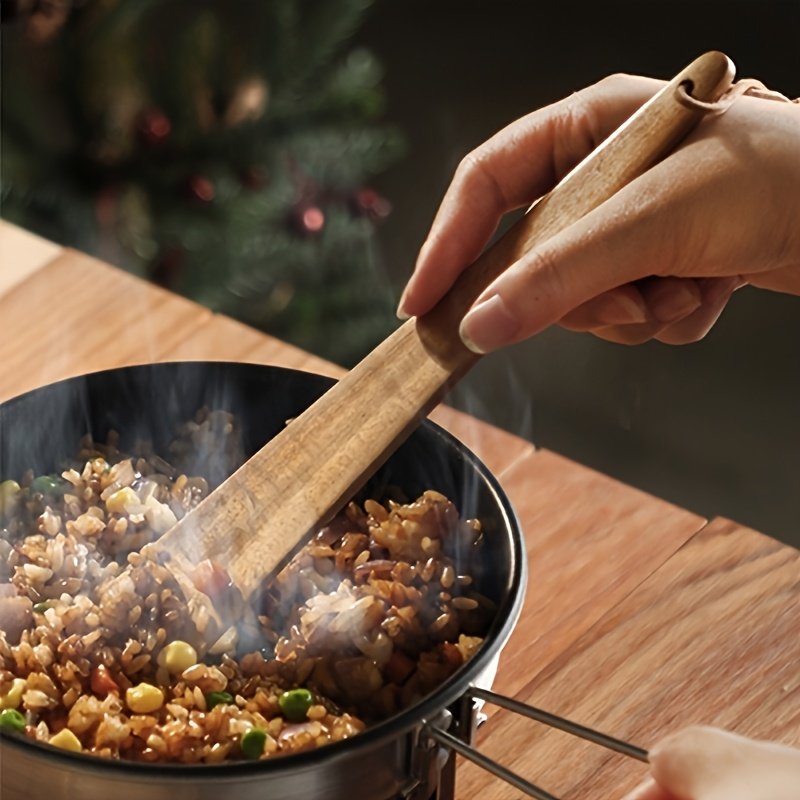
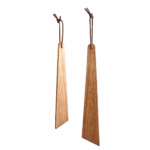
This handmade spatula in acacia wood has a long, triangular shape with a thin and slanted front edge. The design makes it easier to slide the spatula under food items when they need to be flipped, lifted, or moved in the pan.
The spatula is available in a small model of approximately 22 × 4 cm. It can be used for frying, stirring, serving, and light preparation at home or when cooking while camping.
Key Benefits
- Handmade spatula made from acacia wood.
- Triangular shape with a thin and slanted front edge.
- Makes it easier to get under food items in the pan.
- Suitable for flipping, lifting, stirring, and serving.
- Can be used with non-stick pans and pots.
- The wooden surface is gentle on common kitchenware.
- Available in a small model of approximately 22 × 4 cm.
- Can also be chosen as a set with both sizes.
- Hanging cord makes the tool easy to store on a hook.
- Suitable for both home kitchens and outdoor cooking.
- Lightweight construction, easy to take camping.
Overview
This triangular spatula in wood is designed as a narrow and versatile kitchen tool. The handle and head are combined in a long shape that widens towards the end. The flat front edge makes the tool suitable for getting under eggs, pancakes, vegetables, meat, and other food items.
The spatula can be used for several tasks during preparation. It can be used to flip food in the pan, mix ingredients together, move food from pot to plate, or press soft ingredients through a kitchen sieve.
The firm surface of acacia wood makes the tool suitable for repeated use. The wood does not come into direct contact with the pan in the same way as metal utensils, making it practical for kitchenware with a sensitive surface.
Dimensions and Specifications
| Product Type |
Triangular Spatula |
| Material |
Acacia Wood |
| Design |
Long and triangular with slanted front edge |
| Small Model |
Approx. 22 × 4 cm |
| Large Model |
Approx. 30.4 × 5.3 cm |
| Options |
Small model, large model, or set with both sizes |
| Front Edge |
Thin and slightly slanted |
| Storage |
Hanging cord at the end of the handle |
| Usage |
Flipping, stirring, lifting, pressing, and serving |
| Suitable For |
Pans, pots, bowls, and kitchen sieves |
| Usage Area |
Home kitchen and outdoor cooking |
| Cleaning |
Hand wash recommended |
Triangular Shape with Slanted Front Edge
The spatula’s head gradually widens towards the end and finishes with a slanted front edge. The triangular design allows for both the wide surface and the narrower side to be used during preparation.
The thin edge can be slid under food items without having to press the entire tool down against the pan. This is practical when delicate ingredients need to be lifted or flipped.
The slanted front edge can be used for:
- Loosening food items from the surface of the pan.
- Getting under fried eggs and omelettes.
- Flipping smaller pieces of meat.
- Lifting pancakes and vegetables.
- Dividing soft ingredients during preparation.
- Moving food from pan to plate.
For Flipping Food In The Pan
The spatula can be used to flip food items while frying. The flat underside provides support, while the slanted tip makes it easier to slide the tool under the food.
It can be used for:
- Fried eggs and omelettes.
- Pancakes.
- Fish and smaller pieces of fish.
- Meat and cooked steaks.
- Vegetables and potatoes.
- Vegetarian patties and meatballs.
- Bread and smaller baked goods in the pan.
Gently slide the front edge under the food item and support it with the wide part of the spatula before lifting or flipping.
For Stirring and Mixing
The long shape makes the spatula useful for stirring in both pans, pots, and bowls. The wide end can move ingredients around, while the narrower side can be used for more precise mixing.
The spatula can be used for:
- Fried rice and vegetable dishes.
- Pasta dishes and noodles.
- Sauces and stews.
- Egg dishes.
- Salads and cold mixes.
- Dough and lighter meat mixtures.
When stirring, the tool should be moved along the bottom of the pan or pot without applying unnecessary pressure.
For Pressing Through Kitchen Sieve
The wide and flat end can also be used to press soft ingredients through a kitchen sieve. This can be practical when preparing purées, sauces, or other dishes where soft ingredients need to be broken down.
The spatula can be used to press:
- Soft cooked vegetables.
- Cooked fruit.
- Soft tomatoes.
- Ingredients for sauce or purée.
- Liquid from soft foods.
Press gently against the sieve so that neither the tool nor the sieve is subjected to unnecessary strain.
Suitable For Non-Stick Cookware
The wooden tool can be used with non-stick pans and pots. The smooth wooden surface does not have sharp metal edges that can come into direct contact with the surface of the cookware.
To protect the pan, you should:
- Avoid pressing the tool hard against the coating.
- Avoid using the spatula to scrape burnt-on residues.
- Remove coarse food residues with an appropriate cleaning method.
- Check the tool for splinters or damage before use.
- Replace the tool if the edge becomes rough or damaged.
The wooden tool can also be used with regular metal pots, cast iron, and serving bowls.
Long Handle For Safe Distance
The large model has a longer handle, providing extra distance between the hand and the hot pan. This can be practical during frying, where heat, steam, or small splashes of fat may occur.
The small model provides a more compact grip and can be easier to control for smaller tasks.
Always hold the spatula around the handle and avoid placing your hand close to the hot pan or pot.
Hanging Cord For Practical Storage
At the end of the handle, the spatula is equipped with a cord that can be used for hanging on a kitchen hook.
Hanging can be practical when:
- The tool needs to be easily accessible.
- There is limited space in the kitchen drawer.
- The spatula needs to air dry after cleaning.
- Kitchen utensils are stored together on a wall rail.
- The tool is taken along for camping or outdoor cooking.
Ensure that the hook is stable and that the spatula is completely dry before hanging for long-term storage.
For Camping And Outdoor Cooking
The lightweight wooden construction makes the spatula easy to take along for camping, picnics, and other forms of outdoor cooking.
It can be used with:
- Camping pans.
- Smaller pots.
- Portable cookers.
- Camping kitchens.
- Serving bowls and platters.
Store the tool dry during transport and clean it as soon as possible after use. Do not place it directly on the ground or on dirty surfaces.
For Serving At The Table
The spatula can also be used as a serving tool. The flat end allows for lifting smaller portions from a pan, bowl, or serving platter.
It can be used for serving:
- Pancakes and omelettes.
- Fried vegetables.
- Potatoes and accompaniments.
- Smaller pieces of meat or fish.
- Cakes and baked dishes.
- Salads and mixed dishes.
Use a separate tool for raw foods and fully prepared dishes to limit cross-contamination between ingredients.
Acacia Wood With Natural Grain
Acacia wood is a natural material, and each spatula may therefore have its own grain pattern and structure. Minor differences in the wood’s pattern and surface are natural.
To protect the wood, the tool should be shielded from:
- Prolonged contact with water.
- Persistent high humidity.
- Direct contact with open flames.
- Storage on a hot hob.
- Extreme temperature changes.
- Sharp objects that can damage the surface.
Regularly check the wood for cracks, splinters, or other damage.
How To Use The Spatula
- Check that the tool is clean, dry, and free from damage.
- Select the size that fits the pan and food item.
- Hold the spatula around the handle.
- Gently slide the thin front edge under the food.
- Let the wide surface support the food item.
- Lift or flip with a smooth motion.
- Avoid pressing the tool hard against the bottom of the pan.
- Clean the spatula after use.
Do not leave the tool in the hot pan during the entire cooking process.
Cleaning After Use
Clean the spatula by hand with lukewarm water, mild washing-up liquid, and a soft sponge or cloth.
Follow these steps:
- Remove food residues from the surface.
- Rinse the tool briefly with lukewarm water.
- Apply a small amount of mild washing-up liquid.
- Wipe both sides and the handle with a soft sponge.
- Rinse away soap residues.
- Thoroughly dry the tool with a clean tea towel.
- Allow it to air dry completely before storage.
Avoid leaving the spatula in water, as prolonged moisture can affect the wood’s shape and surface.
Maintaining The Wooden Surface
The wood may become drier over time after repeated cleaning. If necessary, the spatula can be treated with an oil designed for kitchen utensils that come into contact with food.
Before treatment, the tool should be:
- Thoroughly cleaned.
- Completely dry.
- Free from food residues.
- Placed on a protected surface.
Follow the instructions on the chosen care product, and allow the oil to penetrate or dry as indicated before using the spatula again.
Avoid This During Cleaning
To protect the acacia wood, you should avoid:
- Dishwasher.
- Prolonged soaking.
- Boiling water.
- Steel wool and coarse scrubbing sponges.
- Strong solvents.
- Concentrated chemical cleaners.
- Storage while the wood is still damp.
Quickly dry the tool after cleaning so that water does not remain on the wood’s surface.
Safe Use
The spatula is intended for general cooking and serving. Wood can become hot with prolonged contact with a hot pan.
Avoid:
- Leaving the spatula in a hot pan.
- Placing it directly on a lit hob.
- Exposing the hanging cord to open flames.
- Using the tool if the wood has splinters or deep cracks.
- Using it as a knife or cutting tool.
- Applying excessive force against hard or frozen food items.
Stop using the tool if it becomes damaged or no longer has a smooth surface.
Storage Between Uses
The spatula should be completely dry before storage. It can be hung using the cord or placed flat in a kitchen drawer.
When storing, you should:
- Keep the tool away from sinks and persistent steam.
- Avoid placing heavy objects on top of it.
- Ensure that the front edge is not subjected to pressure.
- Store the tool with air around the surface.
- Avoid placing it close to an oven, hob, or other heat sources.
When camping, the spatula should be transported in a dry bag or container along with clean kitchen utensils.
Package Contents
The product can be chosen in the following combinations:
- 1 small spatula of approximately 22 × 4 cm.
- 1 set with both the small and large spatula.
Pans, pots, bowls, kitchen sieves, food items, and other shown items are not included.
Spatula In Acacia Wood For Kitchen And Camping
This spatula in acacia wood has a triangular shape with a thin, slanted front edge, making it suitable for flipping, lifting, stirring, and serving.
Choose the small model of approximately 22 × 4 cm. The hanging cord makes the tool easy to store and take along for cooking at home or camping.






 Free delivery on orders of £5 or more
 14-Day Full Returns
 100% Secure Payments